
Technologies
27/05/2024
Industrial Welding: Processes, Uses, and Advice
In this article, we explain the fundamentals of industrial welding: its different processes, their applications depending on materials and thickness, the criteria for choosing a technique… and most importantly, how to select a good welding contractor if you are an industrial buyer.
Summary
What exactly is industrial welding?
The Main Welding Processes
TIG Welding (Tungsten Inert Gas)
MIG/MAG Welding
Arc Welding (MMA)
Oxy-Acetylene Welding
Plasma Welding
Laser Welding
Comparison Table of Welding Processes
Which materials can be welded?
How to choose a good welding contractor?
Why is welding essential in industry?
What is the future for industrial welding?
What exactly is industrial welding?
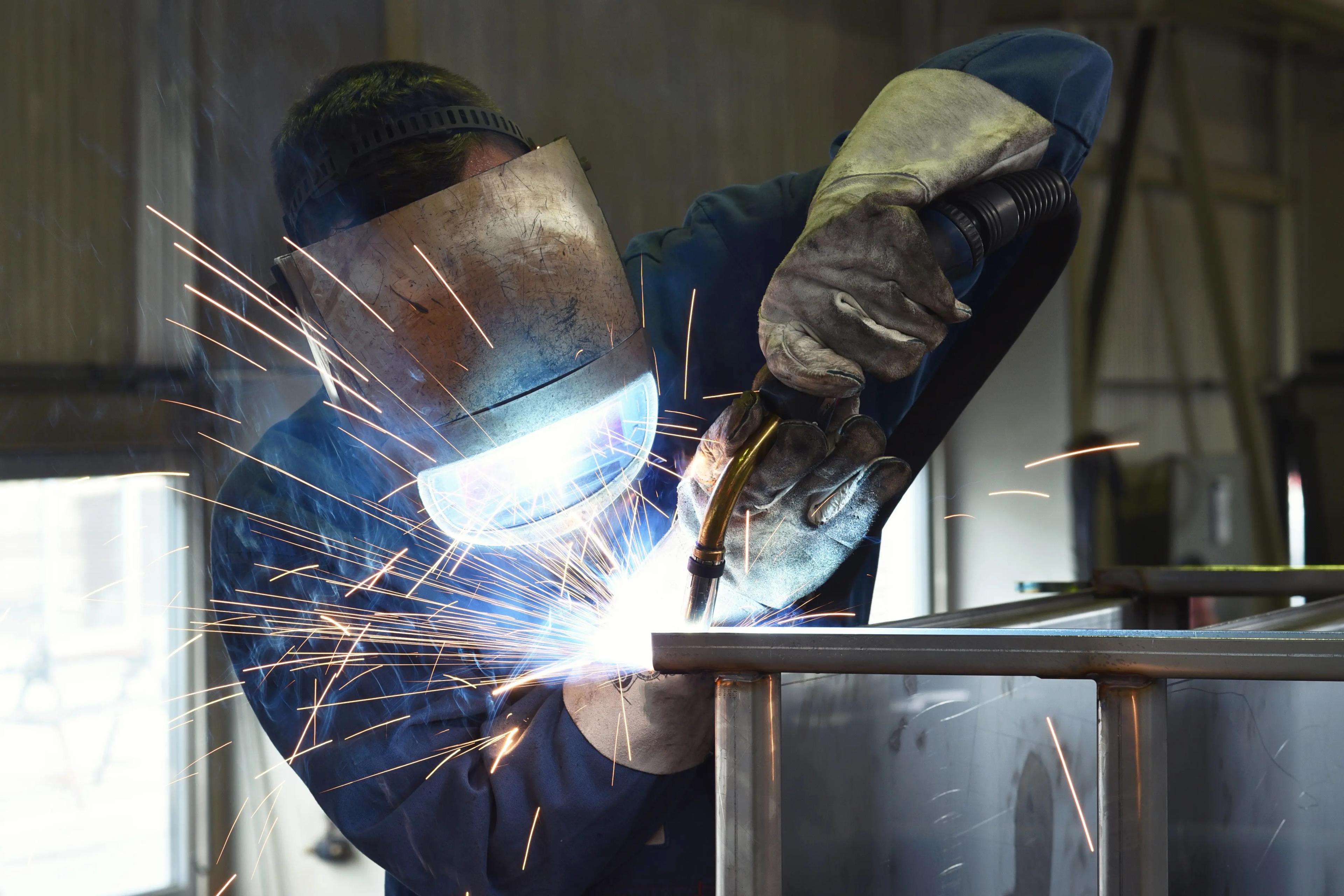
Welding has many applications in industry. It is notably used for:
• General assembly. Also for piping and pipelines (in food processing, energy, chemicals…)
• Complex or precision mechanical parts (in automotive, aerospace, defense).
The Main Welding Processes
TIG Welding (Tungsten Inert Gas)
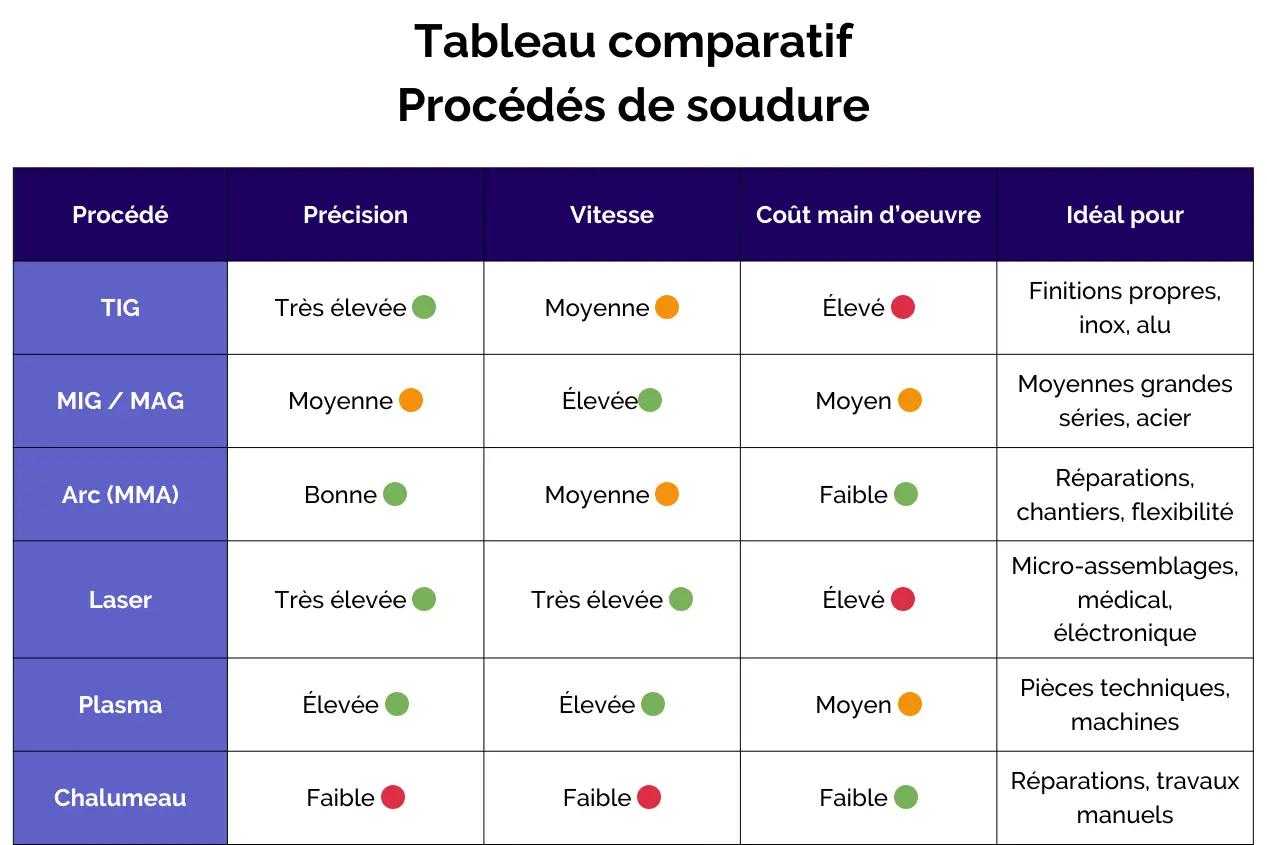
This is the preferred technique in industries where hygiene and finish matter, such as pharmaceuticals, food processing, or aerospace. It requires genuine skill, but the results are impeccable.
MIG/MAG Welding
This process is well-suited to mass production, especially in the automotive industry or the fabrication of steel structures. It is often automated. This allows for good penetration, even on thick parts.
Arc Welding (MMA)
Simple to implement, it is the go-to method on construction sites or for repairs. It is robust and economical. It is also appreciated for its flexibility, even in less comfortable conditions.
Oxy-Acetylene Welding
It works using a flame obtained by mixing oxygen and acetylene. It is an accessible and versatile process, well-suited for non-visible joints or specific metals.
Plasma Welding
This process is often used in machine manufacturing or sectors where performance rhymes with reliability. It enables fast, clean welds with little distortion.
Laser Welding
Ideal for delicate or repetitive assemblies, particularly in electronics, medical devices, or microstructures. It combines finesse, speed, and advanced automation.
Comparison Table of Welding Processes
Which materials can be welded?
• Carbon steel: easy to weld with arc processes (MMA), MIG/MAG or plasma. This is the most common and economical choice.
• Stainless steel (inox): ideally welded with TIG, MIG/MAG or laser, with careful protection against oxidation.
• Aluminum and light alloys: often welded with TIG or MIG, or even laser. Their high thermal conductivity requires precise settings and real know-how.
• Copper and copper alloys → weldable with TIG, MIG or even oxy-acetylene, but sensitive to distortion due to their high conductivity.
• Titanium → requires very controlled processes like TIG, plasma or laser, with a perfectly controlled inert atmosphere.
• Special alloys (nickel, cobalt, superalloys) → require high-precision techniques like TIG, laser or electron beam, often used in aerospace and energy.
Each metal reacts differently to heat. Choosing the right welding technique guarantees the strength, durability, and safety of your assemblies. Do not hesitate to seek the expert advice of your contractor.
How to choose a good welding contractor?
2. Equipment & Certifications: Ensure the workshop has modern equipment, such as recent TIG/MIG stations or robots if needed. Certifications to check:
ISO 3834: international reference standard for welding quality.
EN 15085: specific to the railway industry.
ASME IX: qualification of welding procedure specifications (often required in energy and petrochemicals).
EN ISO 9606: qualification testing of welders.
3. Weld quality & inspections: Radiography, dye penetrant testing, ultrasonics… a good welder guarantees the conformity of their welds, especially for sensitive equipment.
Why is welding essential in industry?
• Design Flexibility: It allows for the assembly of complex shapes, even in small batches.
• Productivity: Some techniques, like robotic MIG/MAG, are particularly efficient. They save valuable time on production lines.
• Repairability: Parts can be restored, reducing costs and extending the lifespan of equipment.
What is the future for industrial welding?
More articles
Industrial Metal Fabrication: Definitions, Professions, Applications
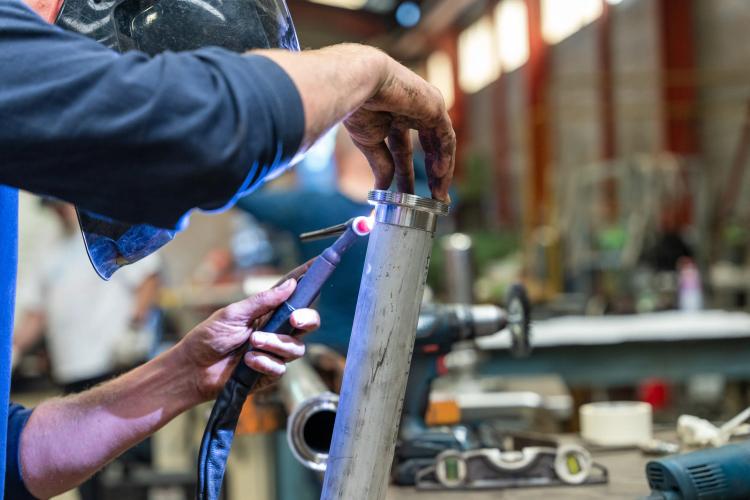
Metal fabrication is present in almost all industrial sectors. It is a key discipline whose importance is often overlooked. From the design to the manufacture of tanks, metal structures, or custom equipment, it plays an essential role in production lines. This comprehensive guide explains what this profession entails, its multiple applications, techniques, and evolutions. We also share concrete advice for effectively choosing your metal fabrication service providers.
Industrial Metal Fabrication: Definitions, Professions, Applications
Metal fabrication is present in almost all industrial sectors. It is a key discipline whose importance is often overlooked. From the design to the manufacture of tanks, metal structures, or custom equipment, it plays an essential role in production lines. This comprehensive guide explains what this profession entails, its multiple applications, techniques, and evolutions. We also share concrete advice for effectively choosing your metal fabrication service providers.
Industrial Sheet Metal Work: Trades, Processes, Applications, and Advice
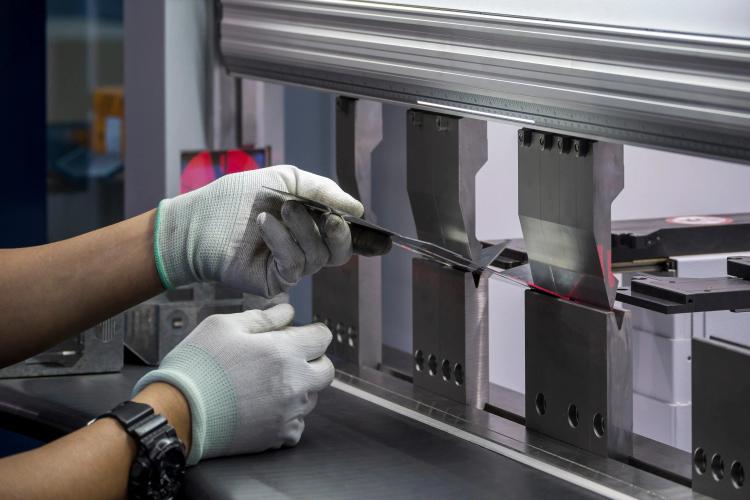
Transforming a simple sheet of metal into a functional, technical, or design part: that is the art of industrial sheet metal work. Present in a multitude of sectors — from automotive to aerospace, including construction, defense, or street furniture — this specialty is essential for custom manufacturing.
Thanks to processes like laser cutting, bending, stamping, or welding, sheet metal workers shape components that are strong, precise, and durable. A true precision craft, combining technical rigor and adaptation to the needs of each project.
In this article, we explain the basics of sheet metal work, its concrete applications, the manufacturing steps, and share our advice for choosing a reliable industrial partner capable of meeting your requirements.
Industrial Sheet Metal Work: Trades, Processes, Applications, and Advice
Transforming a simple sheet of metal into a functional, technical, or design part: that is the art of industrial sheet metal work. Present in a multitude of sectors — from automotive to aerospace, including construction, defense, or street furniture — this specialty is essential for custom manufacturing.
Thanks to processes like laser cutting, bending, stamping, or welding, sheet metal workers shape components that are strong, precise, and durable. A true precision craft, combining technical rigor and adaptation to the needs of each project.
In this article, we explain the basics of sheet metal work, its concrete applications, the manufacturing steps, and share our advice for choosing a reliable industrial partner capable of meeting your requirements.
Laser Cutting: Precision at the Service of Your Industrial Projects
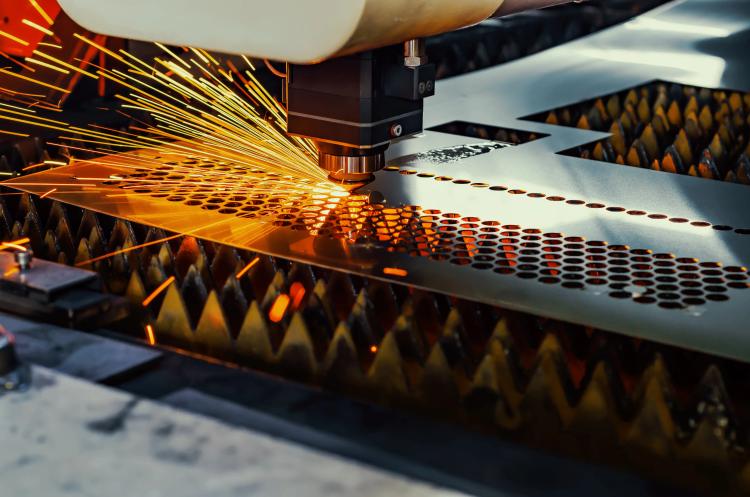
Ultra-precise, fast, versatile... laser cutting checks all the boxes to meet industrial demands. This process, essential in thin sheet metal work as well as in the fabrication of complex parts, combines technical performance with design freedom.
But how does it work exactly? What materials can be cut? And most importantly, how do you choose a reliable supplier for your custom parts? We explain everything.
Laser Cutting: Precision at the Service of Your Industrial Projects
Ultra-precise, fast, versatile... laser cutting checks all the boxes to meet industrial demands. This process, essential in thin sheet metal work as well as in the fabrication of complex parts, combines technical performance with design freedom.
But how does it work exactly? What materials can be cut? And most importantly, how do you choose a reliable supplier for your custom parts? We explain everything.
Subscribe to receive our newsletter
Follow our news right now by subscribing to our newsletter!
Platform
Newsletter
Receive the latest industry news
© 2026 QuoProd. All rights reserved.