Practical sheets


05/12/2025

The Guide to ISO Certifications for Mechanical Parts Subcontracting

As an industrial buyer, you are responsible for the quality of the mechanical parts you integrate into your products or systems. But how can you ensure that your subcontractors adhere to the strictest standards? ISO certifications are now an essential selection criterion: they guarantee rigor, traceability, regulatory compliance, and reduce risks for you.

In this guide, we review the main ISO certifications to require, based on the type of subcontracting (machining, sheet metal work, welding, etc.) and the application sectors (automotive, aerospace, medical, etc.).

Find a subcontractor
ISO certifications

Summary

Why Require ISO Certifications from Your Subcontractors?

Cross-Functional ISO Certifications

ISO 9001

ISO 14001

ISO 45001

ISO 50001

Specific Certifications by Subcontracting Type

Machining, Swiss Turning, CNC Milling

Precision Sheet Metal, Laser Cutting, Bending

Boiler-making, Fabrication, Piping

Heat and Surface Treatments

Foundry & Casting

Plastics

Metal Additive Manufacturing (3D Printing)

Summary Table

Certifications to Require by Industry Sector

Automotive: IATF 16949

Aerospace: EN 9100

Nuclear: ISO 19443

Railway: IRIS / ISO TS 22163

Medical: ISO 13485

How to Verify a Supplier is Properly Certified?

Common Mistakes to Avoid When Evaluating ISO Certifications

Relying Solely on a Logo on a Website

Not Checking the Certificate's Scope

Confusing Process Certification and Operator Qualification

Forgetting Post-Manufacturing Treatments

Require Certifications and Find the Right Subcontractor on QuoProd

Why Require ISO Certifications from Your Subcontractors?

Choosing an ISO-certified supplier isn't just ticking a box. It's about securing your entire value chain. In a context where QCD requirements (Quality, Cost, Delivery) are increasingly stringent, ISO standards are a guarantee of measurable reliability.

ISO certifications first ensure consistent quality in production. Delivered parts systematically meet defined requirements, with complete traceability from raw material to final inspection. This is essential for managing your batches and ensuring rigorous follow-up.

They also enable a significant reduction in non-conformities. Thanks to documented, controlled, and audited internal processes, the supplier detects deviations faster. Fewer disputes, fewer delays, and therefore fewer surprises in your projects. If you operate in sensitive sectors (aerospace, railway, medical, nuclear...), certain standards are mandatory. A certified subcontractor guarantees you are compliant from the first part.

Requiring certifications also strengthens your credibility with your clients. You demonstrate that your supply chain is rigorous, your partners are qualified, and you have a high standard of quality. These certifications ensure smooth integration into your own quality systems. If you are already certified to ISO 9001, EN 9100, or others, working with also-certified suppliers facilitates your audits, supplier reviews, and overall compliance.

In short: an ISO-certified supplier is a structured, audited partner aligned with your industrial challenges.

Cross-Functional ISO Certifications

Certain ISO certifications should be considered non-negotiable when selecting a serious industrial subcontractor. Applicable to all mechanical manufacturing trades, they form the basis of a reliable, durable, and compliant relationship. They apply to all types of subcontractors, whether machining, sheet metal work, or boiler-making. Their presence is often a prerequisite in demanding markets.

ISO 9001

It governs the supplier's quality management system. It guarantees that each produced part is tracked, controlled, and any non-conformities are handled through a documented process. It's the foundation of a partnership based on rigor.

ISO 14001

It concerns environmental management and certifies that the subcontractor controls its impacts: waste management, solvent treatment, atmospheric emissions... An increasingly important criterion in tenders, especially related to CSR commitments.

ISO 45001

Also part of CSR, this standard covers occupational health and safety. A certified supplier protects its operators (equipment, ATEX processes, accident prevention), which also limits indirect risks for you as the client.

ISO 50001

It certifies active management of energy consumption. Useful for valuing energy-efficient suppliers and meeting growing demands for energy performance or responsible procurement.

Specific Certifications by Subcontracting Type

Machining, Swiss Turning, CNC Milling

ISO 10791 / ISO 230
These standards are essential for evaluating the precision and repeatability of CNC machine tools. They govern standardized tests to verify machine stability during machining operations: axis linearity, vibrations, movement accuracy, etc. They are particularly useful if your parts require very tight tolerances (less than ±0.01 mm). Requiring these standards ensures machine performance meets your precision requirements.
ISO 2768
ISO 2768 defines general tolerances for linear and angular dimensions in the absence of specific indications on drawings. It prevents any ambiguity or interpretation on the shop floor. For clients, it's a guarantee of documentation clarity: it ensures parts will be machined according to a recognized standard, even without explicit tolerances on the drawing.
ISO 4287 / ISO 4288
These two standards govern the measurement of surface roughness. They allow quantifying part finish through values like Ra or Rz. This is crucial for functional mechanical parts, especially with friction, sealing, or sliding constraints. Requiring these standards ensures surface quality is measured, controlled, and documented according to international methods.

Precision Sheet Metal, Laser Cutting, Bending

ISO 9013
ISO 9013 specifies criteria for the quality of thermal cuts, notably laser or plasma cutting. It classifies surface conditions based on the method used and the accuracy achieved. Requiring this standard ensures delivered parts have clean cuts, free of burrs or deformation, with traceability on cutting parameters.
ISO 3834
This standard defines quality requirements applicable to fusion welding processes for metallic materials. It governs procedure qualification, assembly control, and welder traceability. In industrial projects involving bending followed by welding (TIG, MIG, etc.), ISO 3834 is an essential safeguard for guaranteeing the mechanical reliability of assemblies.
ISO 5817
ISO 5817 provides a classification of welding defects and acceptance criteria. It allows objective evaluation of whether a weld meets a given quality level (B, C, or D). Requiring this standard prevents subjectivity during visual or radiographic weld inspection and ensures consistent assessment of assemblies.
ISO 2768
Already mentioned in the machining section, ISO 2768 also applies to bending, cutting, or punching operations. It allows defining general tolerances on dimensions not specified on the drawing. For sheet metal work, it facilitates communication between client and manufacturer by ensuring a unified technical reading of dimensional requirements.

Boiler-making, Fabrication, Piping

ISO 3834-2 / 3 / 4
ISO 3834 (parts 2, 3, or 4 depending on the requirement level) is the international reference for welding quality management. It defines requirements for fusion welding processes, documentary traceability, operator qualification, and quality control. This certification is often mandatory in critical sectors (nuclear, railway, metal structures) and guarantees that the subcontractor masters the entire welding chain, from manufacturing file to final inspection.
ISO 9606
This standard governs welder qualification. It certifies that each operator is individually qualified for a defined process, position, metal, and thickness. This standard ensures critical welds are performed by competent personnel, validated by an accredited body according to European standards. It's a particularly important criterion for assemblies subject to strong mechanical stress or aggressive environments.
ISO 14731
ISO 14731 defines the competencies and responsibilities of welding coordinators. These profiles supervise all welding operations in the workshop, ensure procedure compliance, documentary traceability, and weld conformity. Their presence is a mark of professionalism, especially in structures producing complex assemblies or complying with market standards like EN 1090 or EN 15085.
ISO 17637
This standard governs visual inspection methods for welds. It defines criteria, conditions, and tools needed for reliable and reproducible inspection. Used alongside other non-destructive tests (NDT), it guarantees welds are systematically controlled before delivery, with documented reports. It's a key element for securing your fabricated parts.

Heat and Surface Treatments

ISO 2081 / ISO 10684 / ISO 2063
These standards govern the compliance of metallic surface treatments such as electrolytic zinc plating (ISO 2081), phosphating (ISO 10684), and thermal spray zinc metallizing (ISO 2063). They define technical specifications, preparation, deposition, adhesion, and thickness requirements. They ensure your parts receive a homogeneous, durable treatment conforming to industrial standards, which is particularly important for corrosion resistance or paint preparation.
ISO 2178 / ISO 2360
These two standards govern methods for measuring coating thickness. ISO 2178 concerns ferromagnetic materials, while ISO 2360 applies to non-conductive materials. They are essential for ensuring the thickness of layers (paint, zinc plating, anodization...) is controlled and meets specification requirements. Integrating these standards into your supplier requirements ensures rigorous, documented quality control, avoiding adhesion or protection defects.
ISO 9227
ISO 9227 defines the salt spray corrosion test procedure (neutral or acid salt fog). It simulates extreme corrosion conditions to evaluate the durability of surface treatments. It's an essential performance indicator if your parts are destined for aggressive environments: marine, outdoor, chemical industry, etc. A subcontractor capable of providing results conforming to this standard guarantees a proven level of protection.
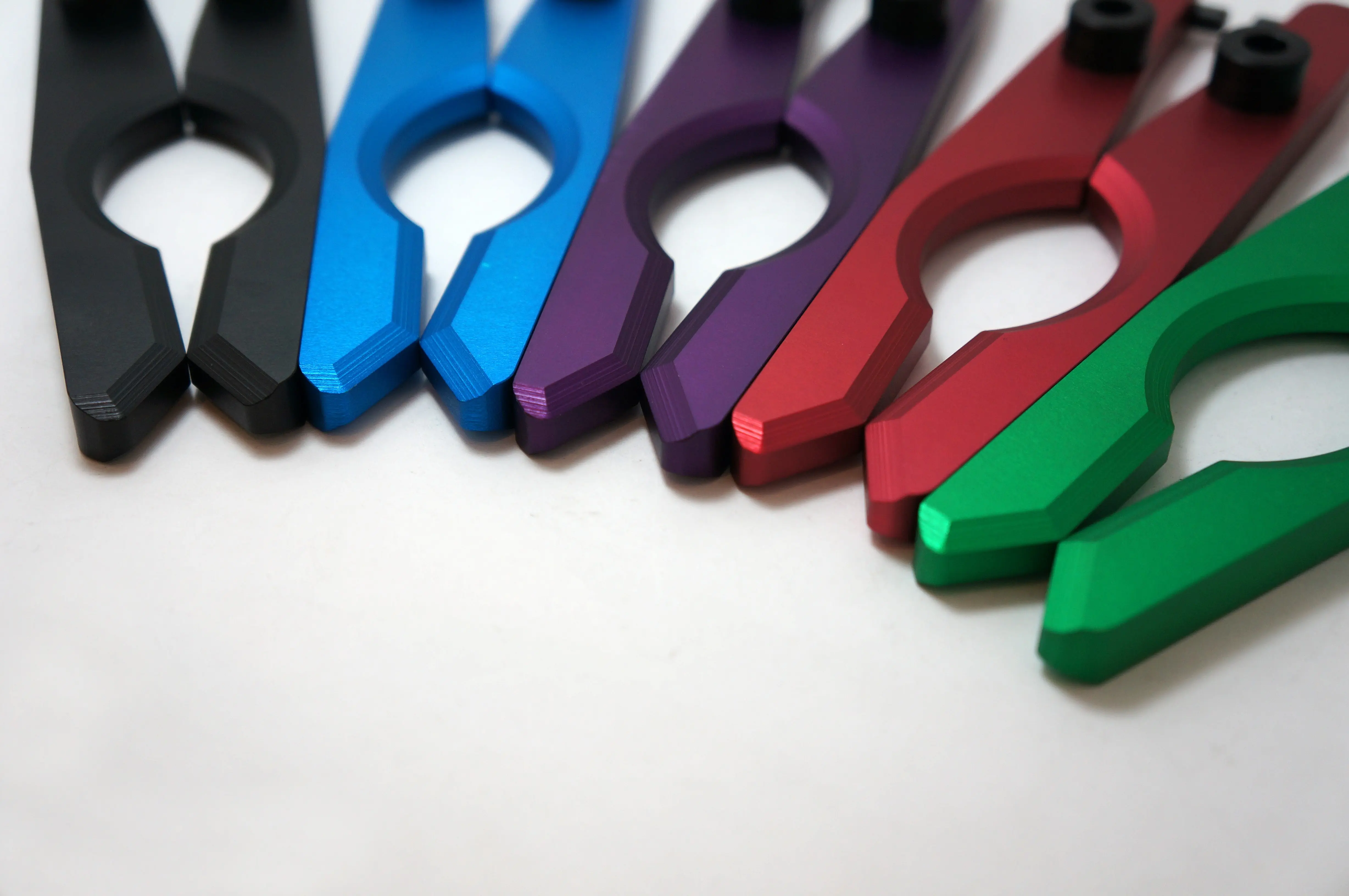
anodized parts

Foundry & Casting

ISO 8062
ISO 8062 defines dimensional tolerances applicable to cast parts, whether sand casting, die casting, investment casting, or pressure die casting. It specifies tolerance classes (CT) based on the process used. It prevents inaccuracies or vague interpretations on drawings, especially for raw parts to be machined later. It's an essential basis for guaranteeing cast parts meet expected precision levels without rework costs.
ISO 16484
This standard governs the traceability of materials used in foundries. It requires each casting batch to be documented with its chemical analysis, batch number, and corresponding material certificates. By requiring it, you ensure an alloy's composition matches your specifications (e.g., for GS cast iron, bronze, or aluminum alloy), which is essential for mechanical properties and long-term performance.
ISO 4991
ISO 4991 concerns non-destructive testing on steel castings. It describes methods to use (visual inspection, penetrant testing, magnetic particle, radiography...) to detect internal or external defects like cracks, inclusions, or porosity. This standard is particularly important in sensitive sectors like energy, railway, or lifting. It allows you to validate part strength before integration without destroying it.
ISO 1083 / EN 12480
These standards govern the mechanical functions and classifications of cast irons based on their structure (lamellar graphite, spheroidal, etc.). They standardize mechanical requirements (strength, ductility...) for raw cast parts, notably in cast iron. It's an additional safety measure if you purchase structural components or parts under stress.

Plastics

ISO 11469
ISO 11469 mandates the identification and marking of plastic materials on finished parts. Widely used in automotive, it allows knowing the polymer type (PA6, ABS, PBT, etc.), its filler rate, or recyclability. Requiring this standard facilitates material traceability, recycling, and environmental compliance, especially within CSR initiatives or public tenders.
ISO 16232 / VDA 19
These standards define cleanliness requirements for particulate contamination on plastic components. They are essential if your parts are used in critical environments (engines, hydraulic systems, medical devices). Contamination control (metal particles, dust...) follows a standardized protocol. Requiring ISO 16232 reduces failures due to contamination, a significant issue in automotive and medical sectors.
ISO 10993
This standard applies to plastic components intended for medical devices. It governs biocompatibility testing to ensure plastic materials do not cause irritation, allergy, or toxicity upon contact with the human body. If your plastic parts are integrated into a medical device, even indirectly, this standard is indispensable for guaranteeing regulatory compliance.
IATF 16949
Already mentioned for the automotive sector, IATF 16949 is also very important in plastics. It governs quality control of plastic transformation processes: injection, extrusion, assembly. It imposes fine traceability, management of product-process changes, and a preventive approach to defects. A plastics processor certified to IATF 16949 assures you of quality rigor aligned with major OEM requirements.

Metal Additive Manufacturing (3D Printing)

ISO/ASTM 52901
ISO/ASTM 52901 establishes general requirements applicable to additive manufacturing, especially in an industrial context. It covers document management, design validation, material traceability, equipment calibration, and in-process controls. This standard guarantees the supplier applies a structured, repeatable approach across the entire metal 3D printing process, aligned with an industrial client's quality requirements.
ISO/ASTM 52920
This standard defines quality requirements and critical parameters for the additive manufacturing process. It concerns material selection, machine parameters, build strategy, management of potential defects (porosity, inclusion, delamination...), as well as destructive and non-destructive testing. Requiring ISO/ASTM 52920 ensures your supplier can control and verify the final mechanical performance of parts produced by metal printing.
ISO/ASTM 52930
ISO/ASTM 52930 governs post-printing treatments applied to parts from additive manufacturing. It covers mechanical finishing, heat treatment, surface treatment, or cleaning operations. These steps are important for ensuring dimensional conformity, surface condition, or structural stability. Requiring this standard guarantees the delivered part isn't just a raw print but is perfectly finished according to your industrial criteria.

Summary Table

We have prepared a synthetic table of the main ISO standards to know, sorted in ascending order, with their field of application and utility for industrial subcontracting.

Certifications to Require by Industry Sector

Certain standards are specific to an industry sector. They are sometimes mandatory to access certain markets or strongly recommended to meet client expectations. As a buyer, integrating them into your specifications guarantees your subcontractors are aligned with your industry's requirements.

Automotive: IATF 16949

IATF 16949 is the global quality standard for automotive industry suppliers. It complements ISO 9001 requirements with sector-specific criteria: batch traceability, defect prevention, change management, process audits, etc. Requiring this standard is essential if you supply to automakers or Tier 1 / Tier 2 suppliers, as it often conditions market access.

Aerospace: EN 9100

EN 9100 is required by most aerospace programs (Airbus, Dassault, Safran...). It imposes a significantly higher level of traceability, documentation, and rigor than ISO 9001. It governs non-conformity management, product configuration, internal audits, and personnel training. Requiring EN 9100 is essential for any supplier of mechanical parts or assemblies for civil or military aerospace.

Nuclear: ISO 19443

Specifically designed for the nuclear sector, ISO 19443 is often required by players like EDF, Framatome, or Orano. It adapts ISO 9001 requirements to the particular risks of the nuclear industry: safety culture, document control, enhanced supplier evaluation, surveillance plan, etc. A subcontractor certified to ISO 19443 guarantees a level of reliability and safety compatible with nuclear requirements.

Railway: IRIS / ISO TS 22163

ISO TS 22163, also known as IRIS, is the quality standard for railway suppliers. Recognized by clients like Alstom, Bombardier, or Siemens Mobility, it imposes advanced traceability, safety parts management, and precise change tracking. It is highly recommended if you target the railway transport market, especially for fabricated parts or complex assemblies.

Medical: ISO 13485

ISO 13485 applies to suppliers of medical device components or devices. It imposes enhanced quality control, strict traceability (including raw materials), and risk management throughout the production cycle. Even if your subcontractors only perform machining or surface treatment, this certification is necessary as soon as a part is intended for integration into a regulated medical device.

How to Verify a Supplier is Properly Certified?

Here is a quick checklist to avoid surprises:

- Request up-to-date certificates (with validity date).
- Verify the certification body (e.g., AFNOR, TUV, SGS).
- Check the certificate's scope (activities and sites covered).
- Assess if the certificate covers your specific need (e.g., not just cutting, but also welding).

Common Mistakes to Avoid When Evaluating ISO Certifications

Even with the best intentions, certain mistakes are common when evaluating a subcontractor's ISO certifications. As an industrial buyer, it's essential to look beyond appearances to secure your supplies.

Relying Solely on a Logo on a Website

Many suppliers display ISO logos on their website or brochure without necessarily having a valid certificate. A simple visual isn't enough. Always ask to see the official certificate, with validity date, certification body name, and the exact standard reference.

Not Checking the Certificate's Scope

A supplier may be ISO 9001 certified but only for certain activities (e.g., laser cutting, not welding). Therefore, it's essential to read the certificate's scope to know if the processes relevant to you are covered. This point is often overlooked and can lead to costly non-conformities.

Confusing Process Certification and Operator Qualification

In welding, for example, ISO 3834 certification validates an overall quality system, while ISO 9606 certifies each individual welder. One does not replace the other. For critical projects, ensure the operators themselves are qualified, not just the workshop.

Forgetting Post-Manufacturing Treatments

Certain essential standards like ISO 52930 (post-printing treatments in additive manufacturing) or ISO 2178/2360 (coating thickness control) are often forgotten. Yet, these steps determine the final part quality. A supplier can be excellent in production but non-compliant in finishing.

Require Certifications and Find the Right Subcontractor on QuoProd

With QuoProd, you no longer waste time qualifying subcontractors manually. Simply post your project and indicate the required ISO certifications (ISO 9001, EN 9100, ISO 3834, etc.). The platform instantly suggests suppliers meeting your criteria.

You accelerate your sourcing, secure your purchases from the start, and gain compliance across your entire supply chain.

In an increasingly demanding industrial market, ISO certification is no longer an option but a strategic requirement. As an industrial buyer, you have every interest in structuring your tenders and supplier panels around these standards.

QuoProd supports you in this approach, with tools designed for technical buyers.

Share


More articles

Should you always have an NDA signed before sharing your technical drawings?

Should you always have an NDA signed before sharing your technical drawings?

In the mechanical and manufacturing industry, sharing technical drawings is an essential step, especially when looking for subcontractors to produce parts. These documents are the result of many hours of design, testing, and optimization — they represent know-how, a competitive advantage, and sometimes even a protected innovation or one in the process of being patented.
But one question keeps coming up: should you always require an NDA (Non-Disclosure Agreement) before sending your plans? The answer isn’t always a simple automatic “yes.” It depends on the project’s nature, the business relationship, and the type of information being shared. We’ve also prepared a ready-to-use template for you.

NDA signature

Should you always have an NDA signed before sharing your technical drawings?

In the mechanical and manufacturing industry, sharing technical drawings is an essential step, especially when looking for subcontractors to produce parts. These documents are the result of many hours of design, testing, and optimization — they represent know-how, a competitive advantage, and sometimes even a protected innovation or one in the process of being patented.
But one question keeps coming up: should you always require an NDA (Non-Disclosure Agreement) before sending your plans? The answer isn’t always a simple automatic “yes.” It depends on the project’s nature, the business relationship, and the type of information being shared. We’ve also prepared a ready-to-use template for you.
How to Find a Good Subcontractor for Mechanical Parts?

How to Find a Good Subcontractor for Mechanical Parts?

In industrial sectors such as aerospace, high-precision mechanics, or special machinery manufacturing, choosing the right subcontractor can make all the difference between a successful project and critical delays. From part design to machining, from one-off production to large series, the challenge is to find a reliable, skilled, and responsive technical partner.

This article provides a structured guide to selecting an industrial subcontractor, with the right criteria, analysis tools, and a deep understanding of mechanical and industrial requirements.
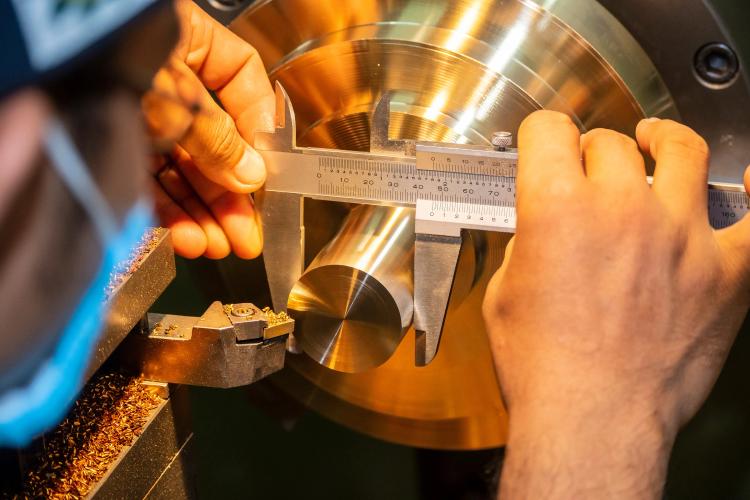
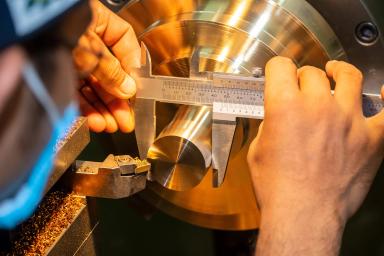
Quality control of a machined mechanical part

How to Find a Good Subcontractor for Mechanical Parts?

In industrial sectors such as aerospace, high-precision mechanics, or special machinery manufacturing, choosing the right subcontractor can make all the difference between a successful project and critical delays. From part design to machining, from one-off production to large series, the challenge is to find a reliable, skilled, and responsive technical partner.

This article provides a structured guide to selecting an industrial subcontractor, with the right criteria, analysis tools, and a deep understanding of mechanical and industrial requirements.

Subscribe to receive our newsletter

Follow our news right now by subscribing to our newsletter!

Platform

Directory

Become a subcontractor

Submit a project

Newsletter

Receive the latest industry news


© 2026 QuoProd. All rights reserved.

Follow us