
Technologies
29/04/2025
Understanding CNC Machining: Technologies, Advantages, and Best Practices
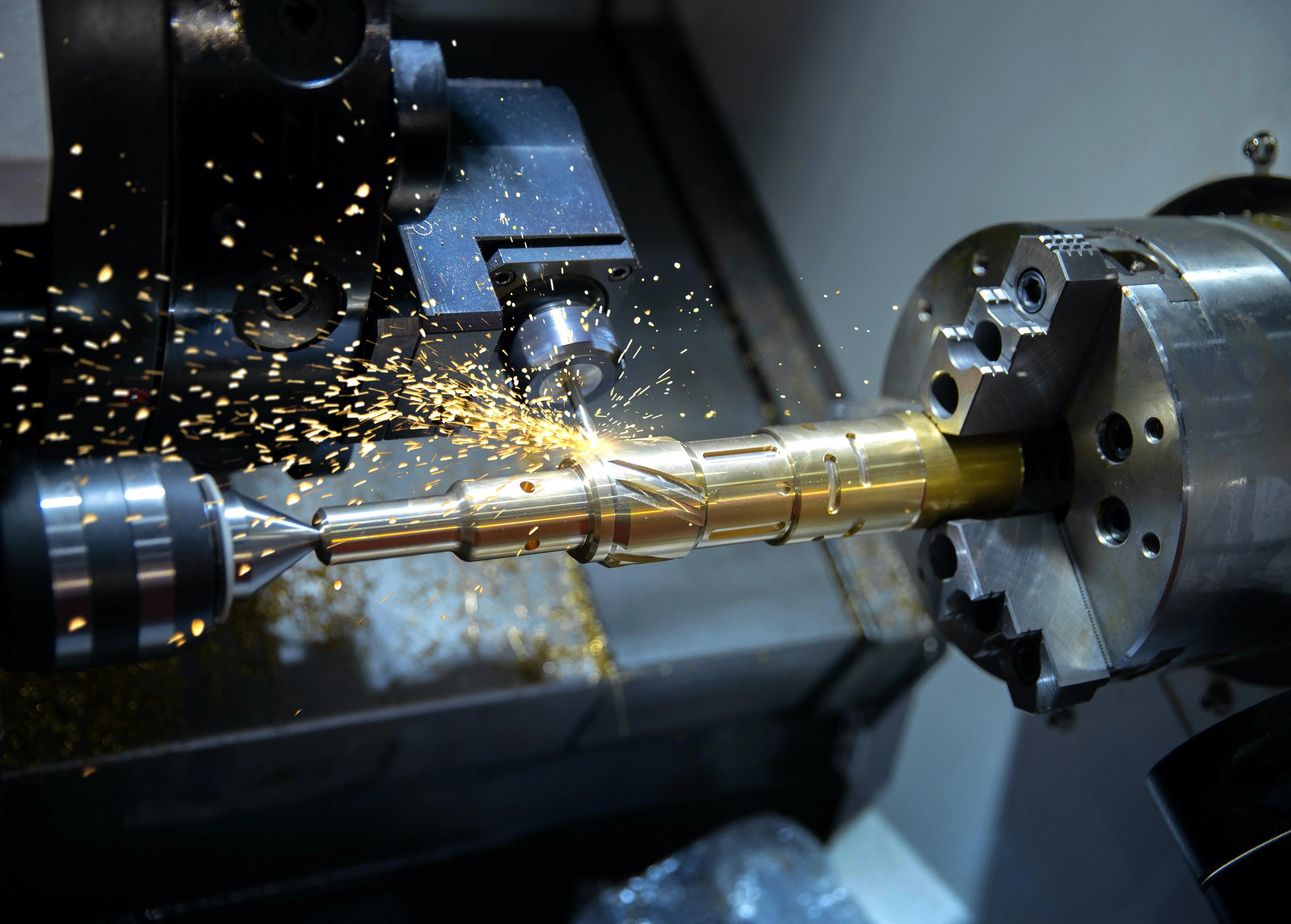
• Distinguish traditional machining from CNC machining,
• Explore the processes used: milling, turning, boring, threading, etc.,
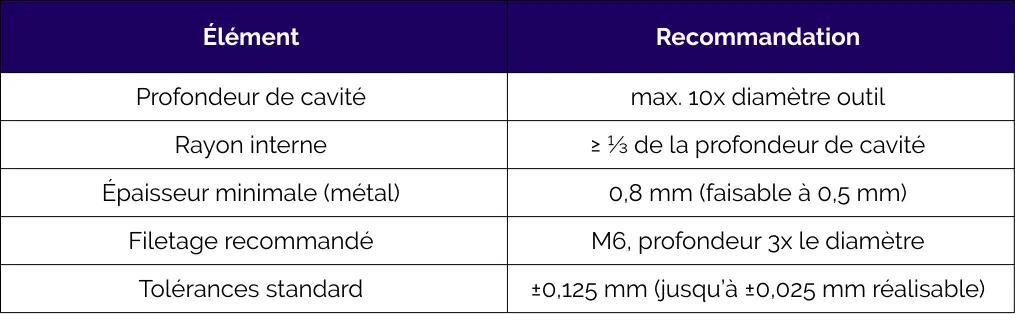
• Present CNC design rules,
• And share with you concrete tips to reduce CNC manufacturing costs while maintaining very high quality.
Summary
What’s the Difference Between Traditional Machining and CNC Machining?
The Main CNC Machining Processes
CNC Milling
CNC Turning
Boring, Threading, Drilling, and Swiss Machining
Which Materials for CNC Machining?
Commonly Machined Metals
Engineering Plastics
Best Practices for Part Design
Cost Reduction: 3 Essential Tips
Applications: From Automotive to Aerospace
Why Work with a CNC Machining Company?
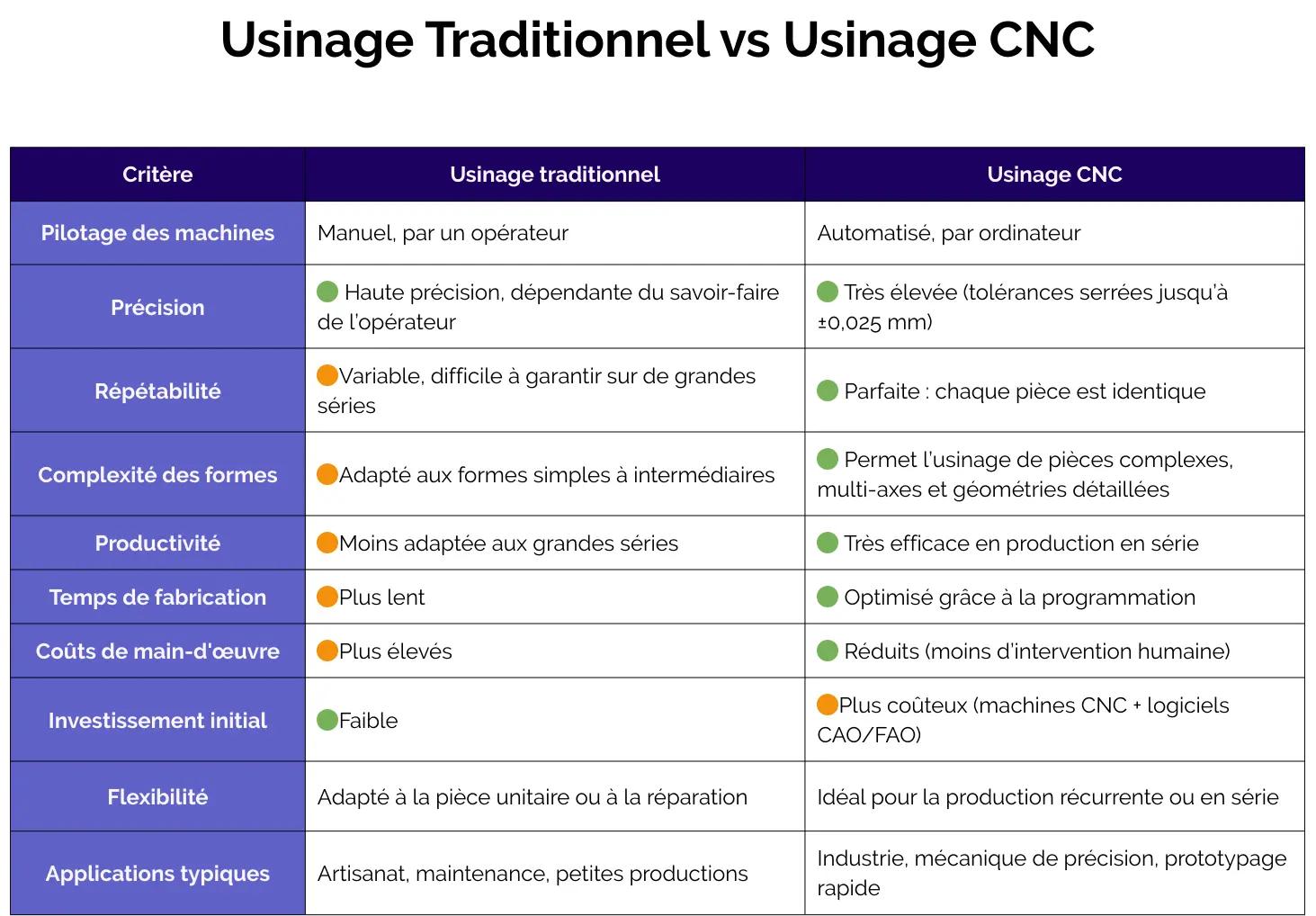
What’s the Difference Between Traditional Machining and CNC Machining?
In contrast, CNC machining (Computer Numerical Control) relies on computer-controlled machines. Using a CAD (Computer-Aided Design) file, the operation is automated: cutting movements, speeds, and depths are programmed to ensure micrometric precision.
Result: fewer human errors, faster production, and perfect repeatability — ideal for manufacturing precision mechanical parts in series.
We’ve prepared a comparative table: machining vs. CNC machining.
The Main CNC Machining Processes
CNC Milling
CNC Turning
Boring, Threading, Drilling, and Swiss Machining
Which Materials for CNC Machining?
Commonly Machined Metals
• Mild steel (1018, A36) combines strength and affordability: a reliable choice for many everyday industrial applications.
• Stainless steel (304, 316): used for its corrosion-resistant properties.
• Brass, with its gold-like appearance and conductivity, is often chosen for both technical and aesthetic parts like connectors or finishing elements.
• Titanium: known for its strength and lightness but challenging to machine.
Engineering Plastics
• ABS, Nylon, PEEK, Polycarbonate: machinable plastics for rapid prototyping, electrical insulation, or specific applications.
Material selection should consider the end use (thermal/mechanical resistance, corrosive environments…) and cost.
Best Practices for Part Design
Cost Reduction: 3 Essential Tips
2. Minimize repositioning: a part machinable in one or two setups reduces adjustment time.
3. Choose the right material: no need for titanium if aluminum suits your application.
Applications: From Automotive to Aerospace
• Aerospace: fuselage structures, flight control parts, engine components.
• Electronics: machined aluminum enclosures, heat sinks.
• Medical industry: implants, surgical instruments.
• Industrial tooling: custom molds, dies, jigs.
Why Work with a CNC Machining Company?
• An experienced team capable of operating CNC machines with precision and guiding your projects from the technical design phase,
• The ability to produce parts in small or medium batches.
More articles
EDM or Conventional Machining: Which Method to Choose?
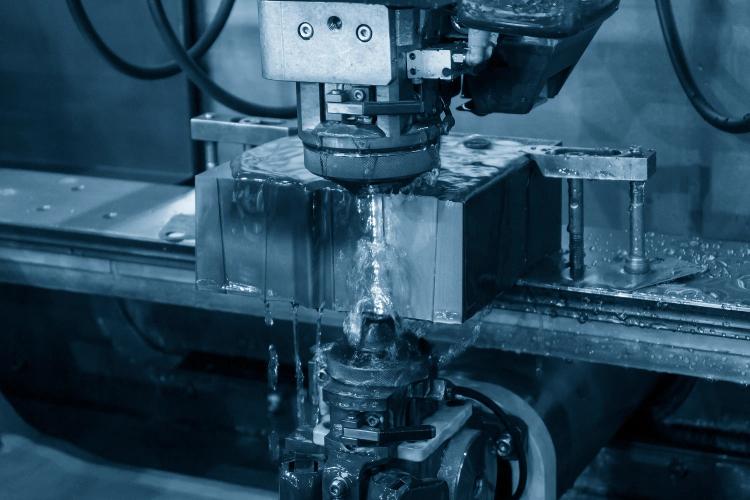
EDM or conventional machining? This question often comes up for buyers. Each process has its strengths, limitations, and hidden costs. Our goal here is not to provide theory, but to give you concrete benchmarks to choose the right method based on your parts, volumes, and deadlines.
EDM or Conventional Machining: Which Method to Choose?
EDM or conventional machining? This question often comes up for buyers. Each process has its strengths, limitations, and hidden costs. Our goal here is not to provide theory, but to give you concrete benchmarks to choose the right method based on your parts, volumes, and deadlines.
How to Find a Good Subcontractor for Mechanical Parts?
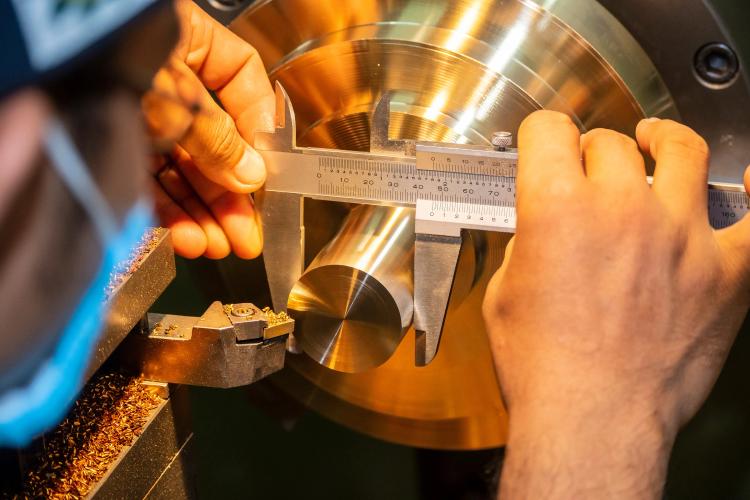
In industrial sectors such as aerospace, high-precision mechanics, or special machinery manufacturing, choosing the right subcontractor can make all the difference between a successful project and critical delays. From part design to machining, from one-off production to large series, the challenge is to find a reliable, skilled, and responsive technical partner.
This article provides a structured guide to selecting an industrial subcontractor, with the right criteria, analysis tools, and a deep understanding of mechanical and industrial requirements.
How to Find a Good Subcontractor for Mechanical Parts?
In industrial sectors such as aerospace, high-precision mechanics, or special machinery manufacturing, choosing the right subcontractor can make all the difference between a successful project and critical delays. From part design to machining, from one-off production to large series, the challenge is to find a reliable, skilled, and responsive technical partner.
This article provides a structured guide to selecting an industrial subcontractor, with the right criteria, analysis tools, and a deep understanding of mechanical and industrial requirements.
Industrial Sheet Metal Work: Trades, Processes, Applications, and Advice
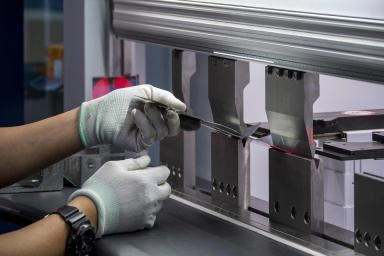
Transforming a simple sheet of metal into a functional, technical, or design part: that is the art of industrial sheet metal work. Present in a multitude of sectors — from automotive to aerospace, including construction, defense, or street furniture — this specialty is essential for custom manufacturing.
Thanks to processes like laser cutting, bending, stamping, or welding, sheet metal workers shape components that are strong, precise, and durable. A true precision craft, combining technical rigor and adaptation to the needs of each project.
In this article, we explain the basics of sheet metal work, its concrete applications, the manufacturing steps, and share our advice for choosing a reliable industrial partner capable of meeting your requirements.
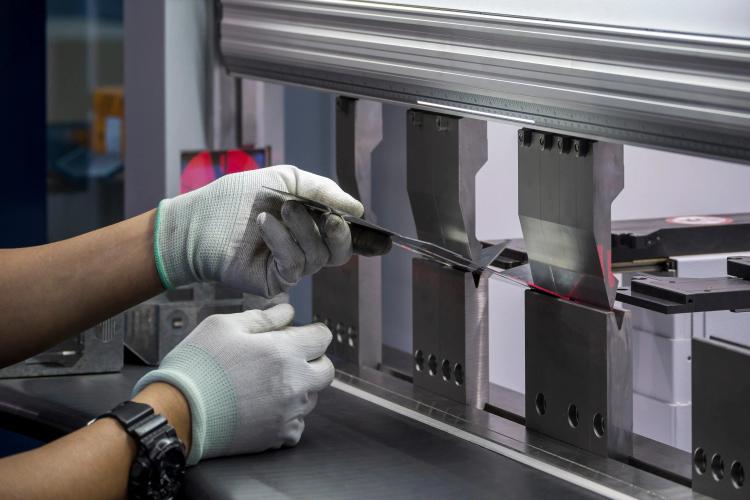
Industrial Sheet Metal Work: Trades, Processes, Applications, and Advice
Transforming a simple sheet of metal into a functional, technical, or design part: that is the art of industrial sheet metal work. Present in a multitude of sectors — from automotive to aerospace, including construction, defense, or street furniture — this specialty is essential for custom manufacturing.
Thanks to processes like laser cutting, bending, stamping, or welding, sheet metal workers shape components that are strong, precise, and durable. A true precision craft, combining technical rigor and adaptation to the needs of each project.
In this article, we explain the basics of sheet metal work, its concrete applications, the manufacturing steps, and share our advice for choosing a reliable industrial partner capable of meeting your requirements.
Subscribe to receive our newsletter
Follow our news right now by subscribing to our newsletter!
Platform
Newsletter
Receive the latest industry news
© 2026 QuoProd. All rights reserved.